Visiting KubeCon North America? See us at Booth # 752

How it works

Triam's CleanStart platform is at the core.

It provides:

  • Custom image building
  • Subscription management
  • Image signing verification
  • Support and documentation

CleanStart Repository is Populated

The CleanStart system prepares:

  • Container Images
  • Libraries
  • Packages

All are stored in a CleanStart Repository, fully secured and hardened.

Developers Pull Clean Images

Your team pulls these verified base images directly:

  • Builds on top of clean, pre-secured containers
  • No CVEs, no junk — just a secure starting point

Integration with Your Private Repo

These images are integrated into your own:


  • Private Repository, fully under your control
  • Great for scaling across teams or projects

Final Push to Production

Your custom containers are:

  • Repackaged
  • Pushed to production

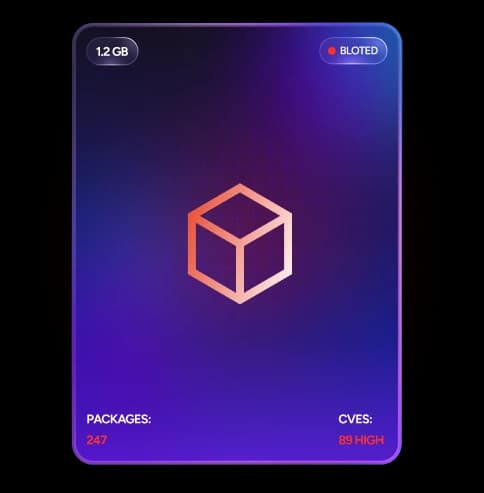
Bigger Images, Bigger Risk 

CleanStart Images reduce attack surface by eliminating unnecessary components 
before they enter production. 

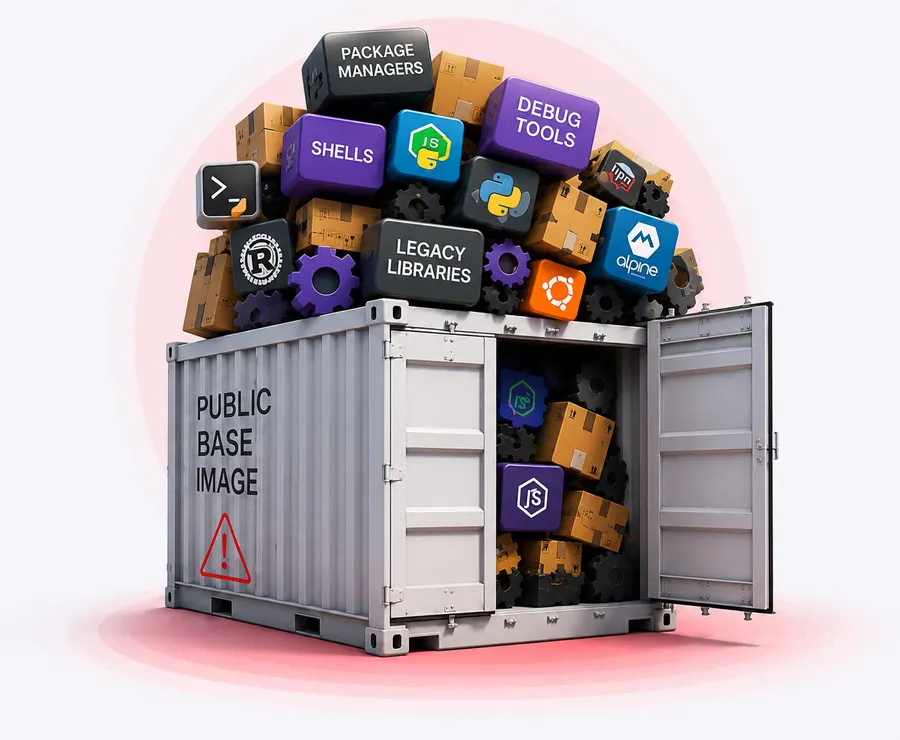
Public Images Are Bloated

Inherited Vulnerabilities

Risk exists before application
code is added.

Too Many Components

Public images include packages
most workloads never use. 

Oversized SBOMs

More components to track, justify, and audit.

Constant Patching

The same base issues reappear release after release.

The CleanStart Approach

Minimal  
Foundations

Only required components are included in every image

Unnecessary
Components

Shells, package managers, and unused tools are excluded.

Deterministic
Builds

Images are built consistently from source across environments.

Secure Defaults
Applied

Hardened configurations are enforced at the image layer.

What This Delivers

Reduced Vulnerability  Exposure

Fewer exploitable components exist at image pull time.

Smaller CVE Backlog 

Less recurring remediation across builds and releases

Focused SBOMs 

Only meaningful components to track and defend

Lower Operational Load 

Less scanning, patching, and rework for teams. 

Built for Modern Production Environments 

Kubernetes Platforms

Production clusters running containerized workloads. 

Regulated Environments

Workloads with compliance and audit requirements. 

Security-Focused Teams 

Teams prioritizing prevention
over remediation. 

Fits Into What You’ve Already Built 

01

Drop-In Images

Most vulnerabilities come from base images and
dependencies, not your code.

02

Pipeline Compatible 

Most vulnerabilities come from base images and dependencies, not your code. 

03

Deploy Anywhere 

Inherited issues keep coming back, even after repeated patching.

Reduce Attack Surface at the Foundation 

Start with container images designed to include only what matters.