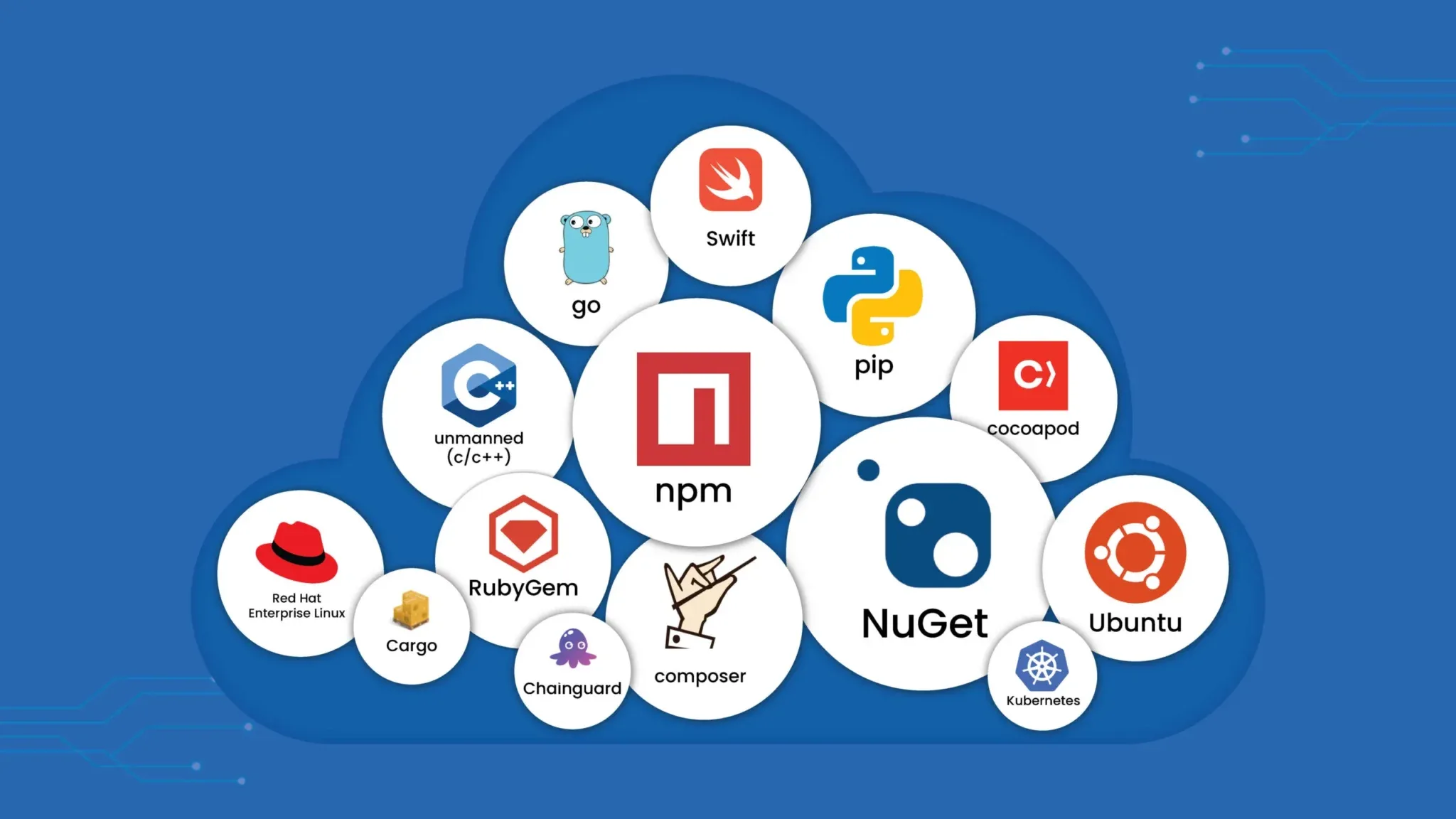



In the world of software development, open source and container technologies have revolutionized the way we build, deploy, and manage applications. However, several myths persist about their security and usage. Let’s debunk some of these common misconceptions. In the realm of software development, open source and container technologies have transformed the way applications are built, deployed, and managed. Despite their widespread adoption, several myths about their security and usage persist. This article aims to debunk these common misconceptions and provide a clearer understanding of the realities.
Myth 1: “Official” Container Images on Docker Hub Are Free of Vulnerabilities
Fact: While Docker Hub provides a wide range of official images, they are not immune to vulnerabilities. These images can still contain security risks, including outdated software versions or unpatched vulnerabilities. It’s essential to regularly scan and assess these images for potential issues. Relying solely on the “official” label can lead to a false sense of security. Regular vulnerability scanning and updates are crucial to maintaining a secure environment.
Myth 2: Free SCA Tools Are Sufficient for CI/CD Security
Fact: Free Software Composition Analysis (SCA) tools are helpful, but they may lack advanced features like vulnerability prioritization, license compliance, and integration with CI/CD pipelines. While they can provide a basic level of security, they often fall short in comprehensive coverage. Investing in commercial SCA tools can offer more robust security features, ensuring that your CI/CD pipeline is well-protected against potential threats.
Myth 3: Updating Images Is a One-Time Security Effort
Fact: Regularly updating container images is crucial, but it’s not a one-time task. New vulnerabilities emerge over time, and maintaining up-to-date images ensures that security patches are applied promptly. Continuous monitoring and updating are necessary to protect against newly discovered vulnerabilities. This ongoing effort helps in maintaining the integrity and security of your applications.
Myth 4: Containers Are Inherently Secure
Fact: Containers offer isolation benefits, but they aren’t foolproof. Security vulnerabilities can exist in the container image, runtime environment, or misconfigurations. While containers can enhance security by isolating applications, they still require proper configuration and management. Misconfigurations or vulnerabilities in the underlying infrastructure can compromise the security of containerized applications.
Myth 5: Finding and Fixing Vulnerabilities Leads to Zero Vulnerabilities
Fact: This is a myth. The software development process is ongoing, and new vulnerabilities can emerge due to evolving technologies, coding errors, or unforeseen attack vectors. Continuous security practices are crucial to maintaining a secure environment. Even after addressing known vulnerabilities, new ones can surface, necessitating ongoing vigilance and proactive security measures.
Myth 6: Scanning Container Images Once Is Enough
Fact: Container images can be built from various sources and may change over time. New vulnerabilities can be introduced through updates or by incorporating compromised dependencies. Regular vulnerability scanning of container images is essential to identify and address potential issues. A one-time scan is insufficient; continuous scanning ensures that any new vulnerabilities are promptly detected and mitigated.
Myth 7: Container Lifespans Are Very Short in Production
Fact: While containers are designed for agility and scalability, their lifespans can vary. They may run for days, weeks, or even months. Proper monitoring, logging, and security practices are essential throughout their lifecycle. Understanding the actual lifespan of your containers and implementing appropriate security measures ensures that they remain secure regardless of their duration in production.
Conclusion
Open source and container technologies offer significant benefits, but they also come with their own set of challenges and misconceptions. By understanding and addressing these myths, organizations can better secure their applications and infrastructure. Regular updates, continuous monitoring, and investing in comprehensive security tools are key to maintaining a robust security posture in the dynamic landscape of software development.
By debunking these myths, we can foster a more informed approach to using open source and container technologies. This not only enhances security but also maximizes the potential of these powerful tools in modern software development.